

Is your diet, causing you to lose hair?
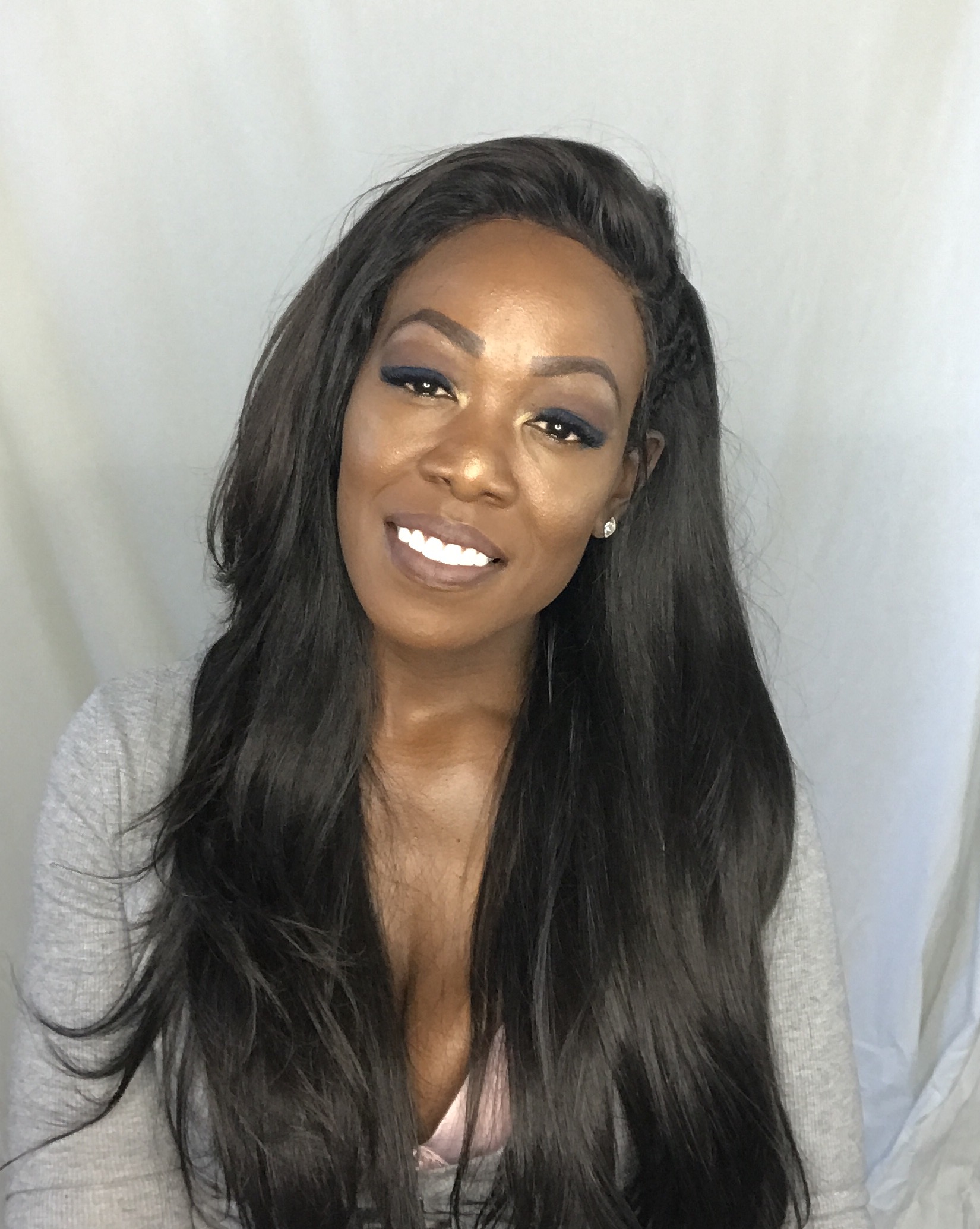
Hair loss can be emotional, frustrating, and sometimes even scary. While genetics, medical conditions, and stress often get the blame, one factor many people overlook is diet. What you eat doesn’t just fuel your body it also directly impacts the strength, growth, and longevity of your hair.
In this blog, we’ll explore how nutrition plays a role in hair health, the key nutrients you need, and common dietary habits that may be triggering unwanted shedding.
How Your Diet Impacts Hair Growth
Hair follicles are some of the fastest-growing cells in the body. To keep up with this rapid growth cycle, they need a constant supply of vitamins, minerals, and proteins. When your diet lacks these essentials, your body prioritizes other organs (like your heart and brain) over your hair leading to thinning or excessive shedding.

Nutrients Essential for Healthy Hair
ProteinHair is primarily made of keratin, a protein. Diets low in protein can make hair weak, brittle, and prone to shedding.
Good sources: Lean meats, eggs, beans, lentils, tofu, fish.
IronIron deficiency (especially common in women) is one of the leading nutritional causes of hair loss. Without enough iron, oxygen supply to hair follicles decreases.
Good sources: Spinach, red meat, pumpkin seeds, lentils, fortified cereals.
Vitamin DLow vitamin D levels are linked to alopecia and hair thinning. This vitamin helps stimulate new hair follicles.
Good sources: Sunlight, salmon, fortified milk, supplements if prescribed.
Zinc & SeleniumThese trace minerals support scalp health and prevent dandruff, breakage, and delayed hair growth.
Good sources: Nuts, seeds, shellfish, whole grains.
Omega-3 Fatty AcidsThese healthy fats nourish the scalp, reduce dryness, and add shine.
Good sources: Salmon, walnuts, flaxseeds, chia seeds.
B Vitamins (Especially Biotin & B12)B vitamins play a crucial role in red blood cell production and keratin formation. A lack of them can lead to thinning hair and even graying.
Good sources: Eggs, whole grains, avocados, leafy greens.
Diet Habits That Can Cause Hair Loss
Crash Dieting or Extreme Calorie RestrictionSudden weight loss shocks the body, leading to temporary shedding known as telogen effluvium.
High Sugar IntakeExcess sugar increases inflammation and can damage hair follicles.
Too Much Processed FoodLacking essential nutrients, these foods leave little “fuel” for healthy hair growth.
Low HydrationDehydration makes hair dry, brittle, and more likely to break.
Signs Your Hair Loss May Be Linked to Diet
Sudden shedding after starting a new diet
Excessive thinning without family history of hair loss
Brittle, dull, or slow-growing hair
Hair breaking off in unusual amounts
What You Can Do
Balance Your Plate – Include a variety of protein, healthy fats, and colorful vegetables.
Check Your Levels – Ask your doctor about testing for iron, vitamin D, or B vitamin deficiencies.
Consider Supplements – Only if recommended by a professional.
Stay Hydrated – Aim for at least 8 cups of water daily.
Seek Professional Help – If hair loss persists, it may not just be your diet. Consulting a dermatologist or hair loss specialist can help you get to the root of the issue.
Final Thoughts
While your diet may not be the only cause of hair loss, it plays a major role in keeping your strands strong, full, and healthy. Nourishing your body from within is just as important as the treatments and products you apply on the outside.
✨ Remember: healthy hair starts with a healthy you!


Comments